Chattanooga, Tennessee · Mobile service bulletin no. 1
Dealership Training. Driveway Address.
A factory-trained master tech, at your Chattanooga curb, without the building on the bill.
Call 423-592-8088Weekdays · The technician answers the phone
Dealership Discipline, Driveway Address
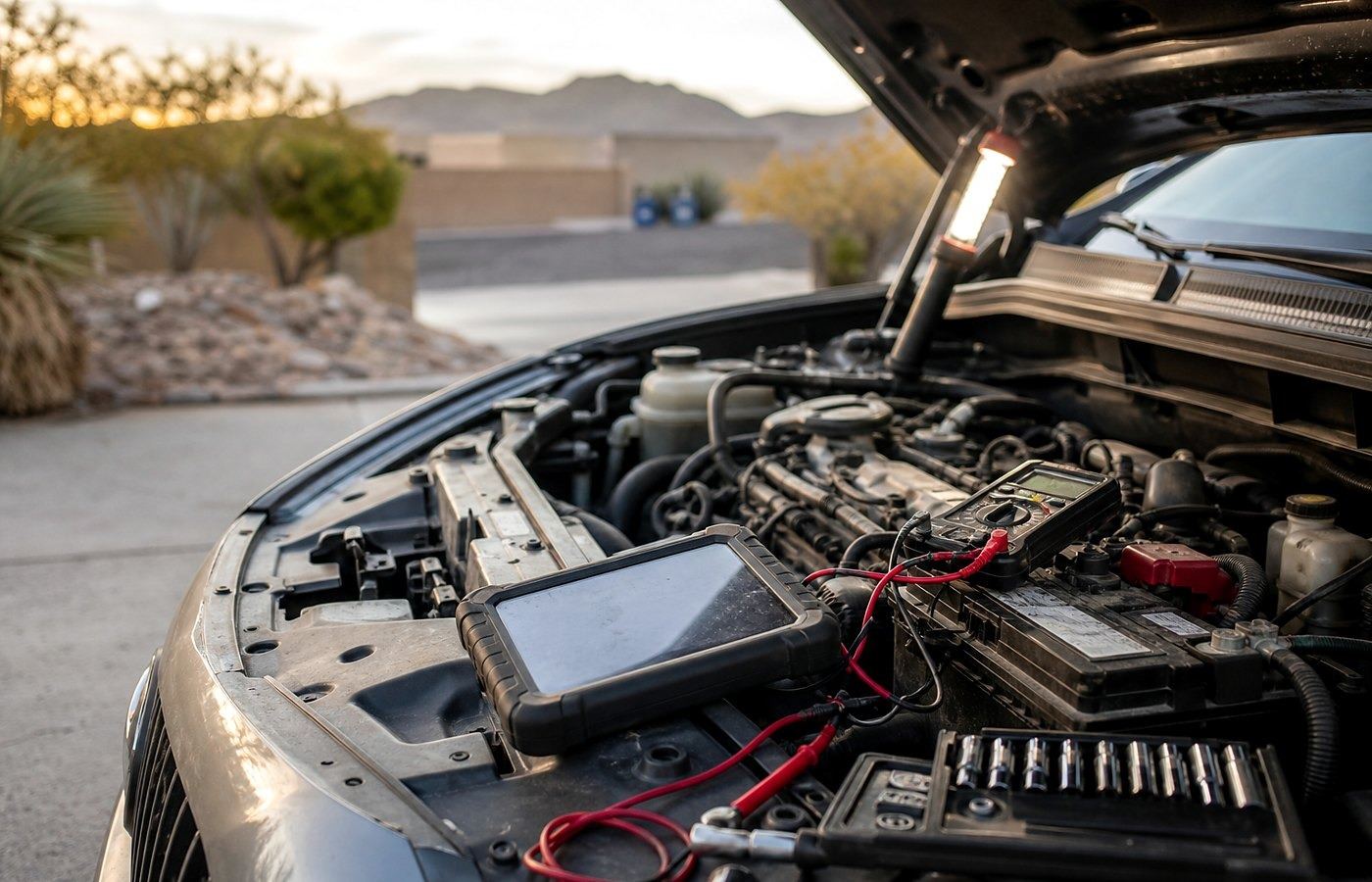
This service runs on dealership discipline: factory-style procedures, testing before parts, and year after year of repairs performed under warranty audit, where the manufacturer reinspects your work and disputes your paperwork for sport. The dealership system has real flaws, and they stayed behind with the building. What survived the move is the discipline. Measure before deciding. Document what you found. Verify the fix before handing back the keys. Every job this truck touches gets that treatment, from a battery swap in Hixson to a brake system on Signal Mountain.
The difference customers feel first has nothing to do with wrenches: there is no service advisor between us. The person hearing your symptoms is the person diagnosing them, quoting them, and repairing them, which at a dealership would require a small conspiracy.
Quick reference
The Work the Truck Carries
The calendar fills with the same honest work that filled the dealership lanes: brake systems measured and replaced at the curb, cars that will not start diagnosed where they sit, batteries and charging systems tested with printouts instead of hunches, and diagnostics for warning lights, noises, and leaks with dealer-grade equipment. Starters and alternators, cooling parts, hoses and belts, coils and plugs, and the whole sensor population fill the gaps, alongside real maintenance. The full picture lives on the services page and the philosophy on mobile auto repair.
The boundary gets stated plainly because trust lives at the edges: alignments, tire machines, refrigerant service, transmission internals, and engine teardowns belong to shops with floors and lifts. You get an honest referral and the findings on paper, not a driveway improvisation.
How This Valley Wears Cars Down
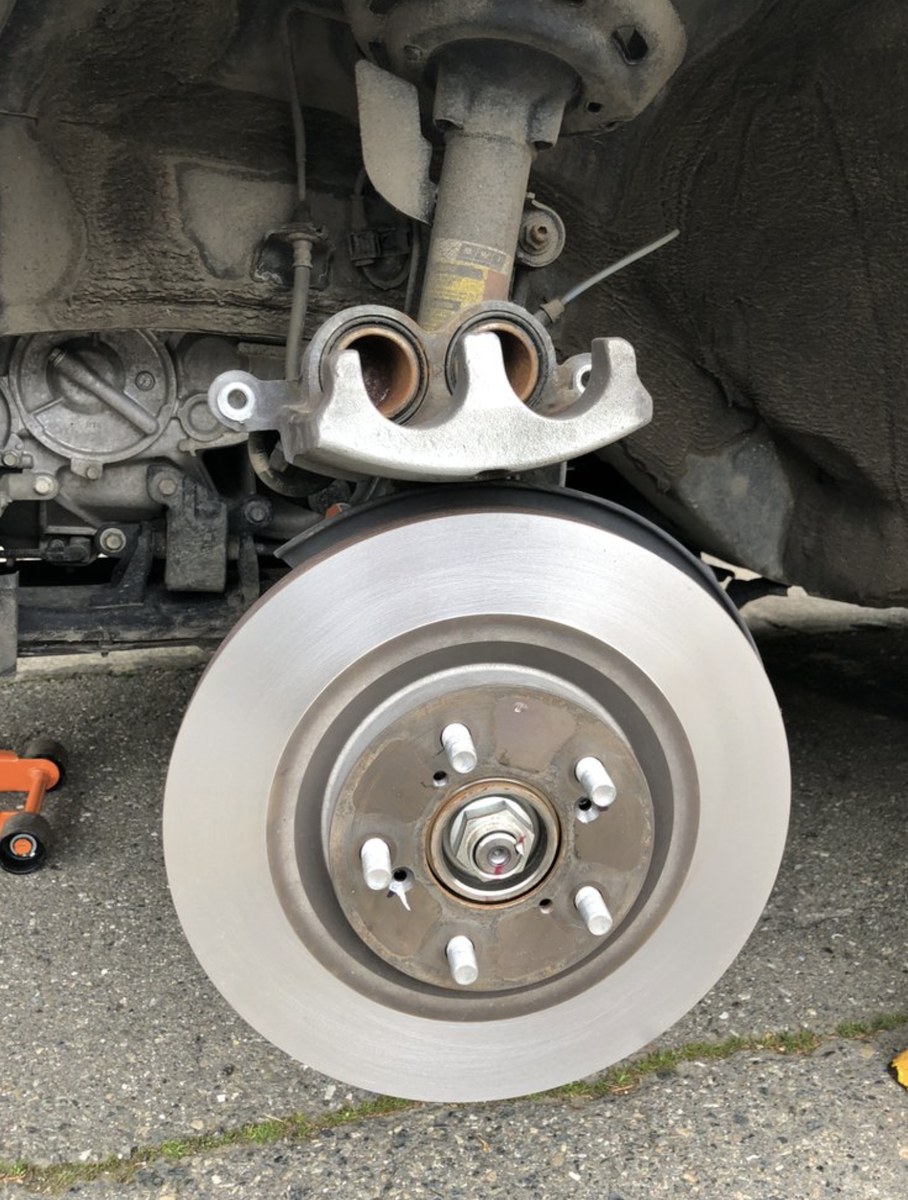
Chattanooga sits in a bowl of ridges with a river through the middle, and the geography writes the repair orders. Brakes work the mountain grades and the ridge cuts, then corrode in the humidity while the car rests. Batteries get cooked by valley summers and exposed by the first November freeze. Cooling systems face August traffic on the interstate splits with the thermometer in the nineties and the asphalt radiating worse. And the pollen season that yellows every porch in town packs cabin filters solid by June.
None of that is exotic, but all of it rewards a mechanic who reads local patterns instead of national averages. The maintenance rhythm recommended here leans on brake fluid, coolant chemistry, battery testing ahead of the cold, and filters ahead of the pollen, because that is what this valley actually consumes.
No Flat-Rate Shortcuts Taken Here
Dealership techs get paid by the book: a job pays a fixed number of hours no matter how long it truly takes, so the system quietly rewards whoever cuts corners fastest. Flat-rate clocks make good mechanics worse, so billing here does not work that way. A repair here takes the time it takes, the quote covers the job rather than the stopwatch, and nothing about the bill improves if your torque specs get guessed. Slower hands, straighter work, and a warranty that almost never gets used.
The same goes for the upsell sheet. There is no commission on this truck and no quota behind the recommendations. When a hose or a belt gets flagged, it is because July is coming, not because the month is ending.
Car dead right now?
423-592-8088Dead cars jump the queue. Say the word and skip the reading.
How a Visit Actually Goes, Start to Finish
The phone call runs a real intake: the car, the symptom, the history, the address. You hang up with a likely story, a genuine number, and an arrival window built from geography rather than optimism. At the car, diagnosis comes first and produces evidence you can see, meter readings, measurements, the failed part performing its failure. The price goes on paper before repair begins, and mid-job surprises pause everything for your decision rather than appearing as line items later.
Repairs finish with a road test, the old parts come out for show and tell, and the invoice reads like a document instead of a riddle: parts by number, work described in sentences, and the warranty stated. If anything touched here misbehaves afterward, the truck comes back and makes it right. Dealership customers call that a comeback and dread the paperwork. Here it is just a promise with a truck attached.
From the River to the Ridges
Home turf is Chattanooga proper: North Shore, Southside, St. Elmo, Highland Park, Brainerd, and the downtown lots where commuter cars get repaired on office time. Hixson, Red Bank, East Ridge, and East Brainerd ride the daily loop, with Ooltewah, Collegedale, and Soddy-Daisy in the regular rotation. Signal Mountain and Lookout Mountain are served with winter weather sense, which their residents already possess in abundance. The block-by-block version lives on the areas page, and the contact page covers what makes a perfect first text.
Office workers, take the hint half this city has already taken: the truck meets your car where it parks for work, and the repair happens while you earn. The road test rides home with you.
Two Kinds of Customers, One Number
Emergency callers get a dead car running or honestly triaged, today where the calendar allows. Standing customers get something better: a technician who already knows their cars, keeps the service history, flags what is due, and answers texted photos for free between visits. Every standing customer started as an emergency call, usually on a cold morning. The number that starts either relationship is the same one at the top of this page.
Frequently asked
Common Questions, Answered Directly
What does factory trained actually mean?
Years of carmaker schools, certifications kept current, and thousands of repairs done under warranty audit, where the manufacturer rechecks your work and your paperwork. It builds habits: measure, document, verify. Those habits now make house calls.
Why would a dealership tech go mobile?
Because the best part of the job was never the building. Between the service advisors, the flat-rate clock, and the markup that funds the waiting room, the customer and the technician barely met. Now the person who diagnoses your car is the one who answers your call, quotes the job, and turns the wrenches.
Are mobile repairs as reliable as shop repairs?
The wrench does not know where it is. Torque specs, factory procedures, and proper parts travel fine. What does not travel is machinery work like alignments, tire mounting, and refrigerant service, and those get referred honestly instead of improvised in a driveway.
How quickly can you get to me?
Weekday mornings usually mean same-day or next-day for the valley. A car that will not run at all moves to the front. Mountain addresses add a little scheduling around weather in winter, and you always get a window the schedule can actually hit.
Do you work on my make of car?
Almost certainly. Factory training was one brand; twenty years of repair are every brand. Domestic, Japanese, Korean, and German all cross the truck weekly. The rare exotic gets an honest phone answer instead of an experiment.
What should I have ready when I call?
Three things: what the car is, what it is doing lately, and the address where it waits. Photos of anything visible help. From there you get the likely story, a real number, and an arrival window, and the diagnosis at the fender confirms or corrects the phone version before any repair money moves.
A Note on Parts
Dealerships install factory parts at factory markup; the corner lot installs whatever was cheapest that morning. The truck splits the difference on your side of it: original-equipment or better-grade components, sourced same-day from the local network, billed with their part numbers visible so you can check the math. Where a budget option genuinely holds up, you hear about it and make the call yourself. Where it does not hold up, and brake friction is the usual example in this terrain, you hear that too, with the reasoning spelled out instead of implied. Twenty years of watching parts fail builds strong opinions, and you get them free with every quote.
Factory Training, Delivered to Your Driveway
Chattanooga Mobile Mechanics brings master-tech repair to driveways and parking lots across the valley, with written estimates, documented work, and a warranty that arrives by truck. One call starts it.
Call 423-592-8088